The Architect of the Fracture: A conversation with Meliza Castillo
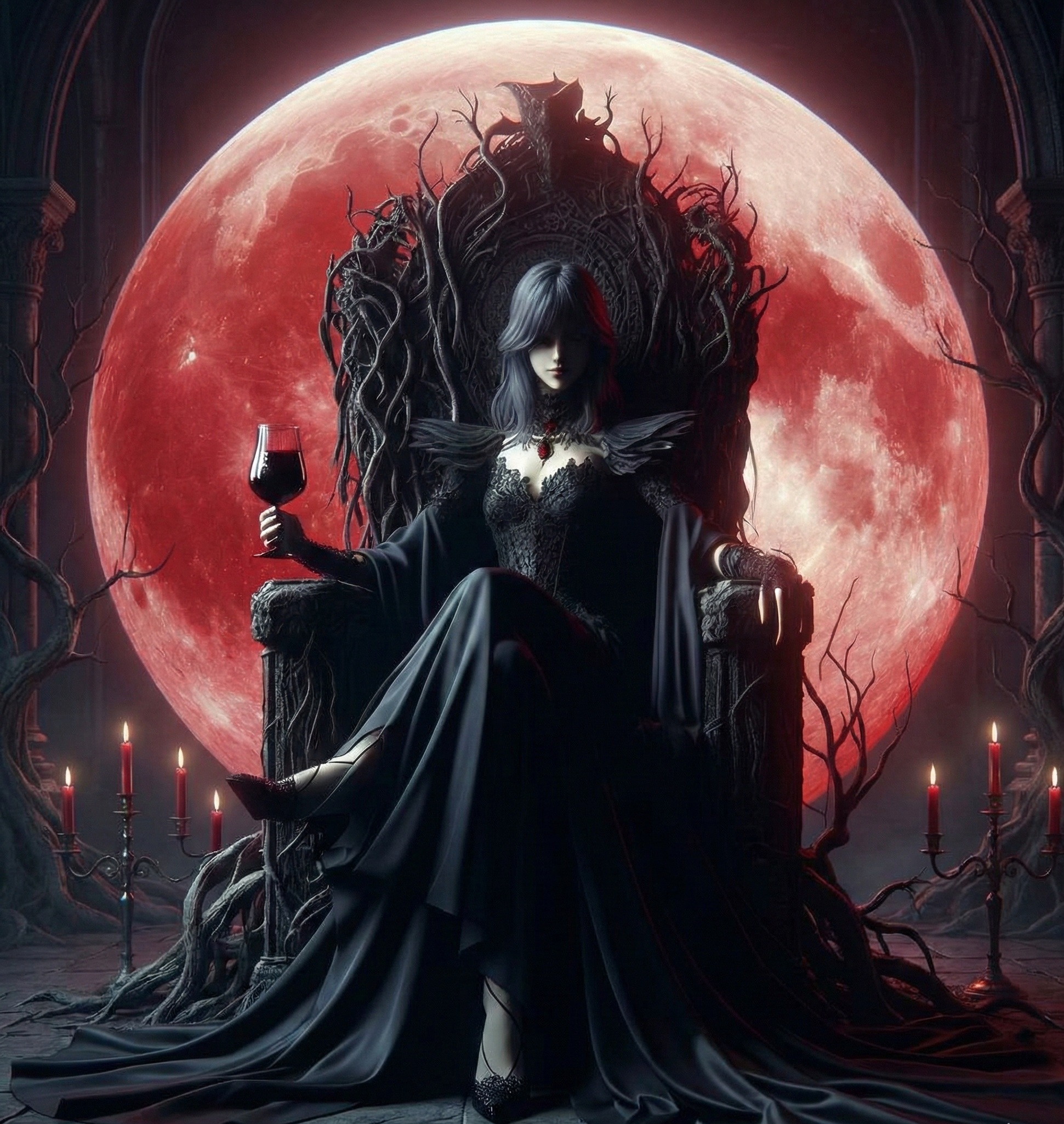
We spoke with the Director of Lore and Narrative of Vestigios to understand the darkness that sustains this universe. From the influence of Yoko Taro to the critique of blind faith, Meliza opens the doors of Genesis to us.
What exactly are the Vestigios?
For now, I can't say much, but as I wrote in 'The Great Fracture': the vestiges come from something larger and hold the essence, the origin of life itself. For that reason, the opening scene of Alien: Prometheus comes to mind, and I think it's the perfect explanation.
Are the fragments trying to reunite? Could the end of the world be a return to the 'One'?
The crystal didn't break by accident, but out of the need to enrich the universe it was in; the need to stop being an object to become an event. Its state of unity was a prison that condemned the universe to sterility. It will never want to return to what it was.
«The explosion was a sacrifice; its blood, a gift».
How were the races born?
Leaving the lore aside a bit, monster folklore is quite popular. Implementing these beings into the game with their own story, moving away from that aesthetic of cute and round creatures (following the path of the Chilean TCG Mitos y Leyendas) is very inspiring. Speaking of races within the lore itself, it's a spoiler I don't want to mention yet; but I think many might have a good intuition about it.
What makes the zombies in this universe different?
As I describe in The Hierarchy of the Night, zombies here are really a type of religion; they are a mere critique of it. Here they are not an accidental plague, victims of a virus, but a product of desperation and deceit, turned into a tool or resource where faith is the fuel.
I think that, of all the races, the approach we are taking with this one is a 'good twist', because we all know by the book what conventional zombies are and how they are created; bringing more of the same would be a bit exhausting and insipid.
Why is this world so cruel and tragic?
While it is an era where progress was advancing rapidly, it is also true that everything has a price; and I think we all know that, often, the price is not monetary. There is no safe place here: suffering does not end with physical death, hope is betrayed, the advancement of civilization requires sacrifices, and magic does not solve everything.
«Everything that lives is designed to end. We are perpetually trapped in a never-ending spiral of life and death. Is this a curse? Or some kind of punishment?»
— NieR: AutomataWhat makes a story dark yet human?
When things aren't just 'because', despite all the darkness and how terrible something or someone can be, the story reaches real tragic depth. The human side is present when we can connect with what is submerged in the shadows. A clear example is when we understand why the villain is a villain and everything that led them to that breaking point.
What have been your sources of inspiration?
The NieR and Drakengard sagas have been a great reference for me. I love Yoko Taro's work and the way he approaches the duality of the same conflict; it seems spectacular to me because it brings you to a point where everything hits you like a bucket of cold water, making you see that, in reality, there is no right side.
On the other hand, Alien and The Witcher complemented ideas I was already developing in my head, and were good references to keep on track. Likewise, the series Supernatural has also inspired me a lot due to its variety of monsters, which has helped me put a spin on certain concepts.
What awaits us in the future of the lore?
This is just a small part of a whole, where horror is not death, but what you become. And the world will begin to let out desperate screams.